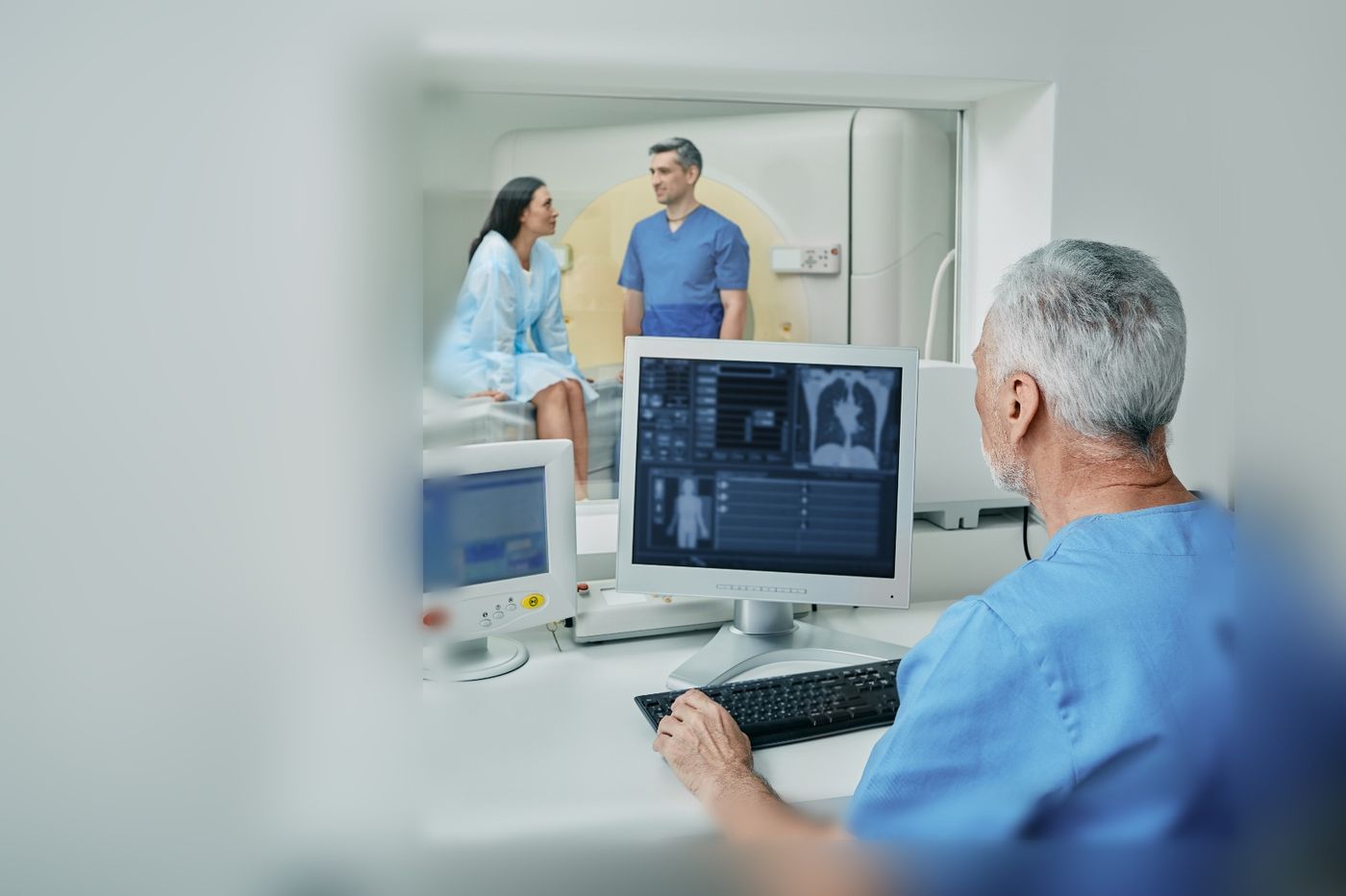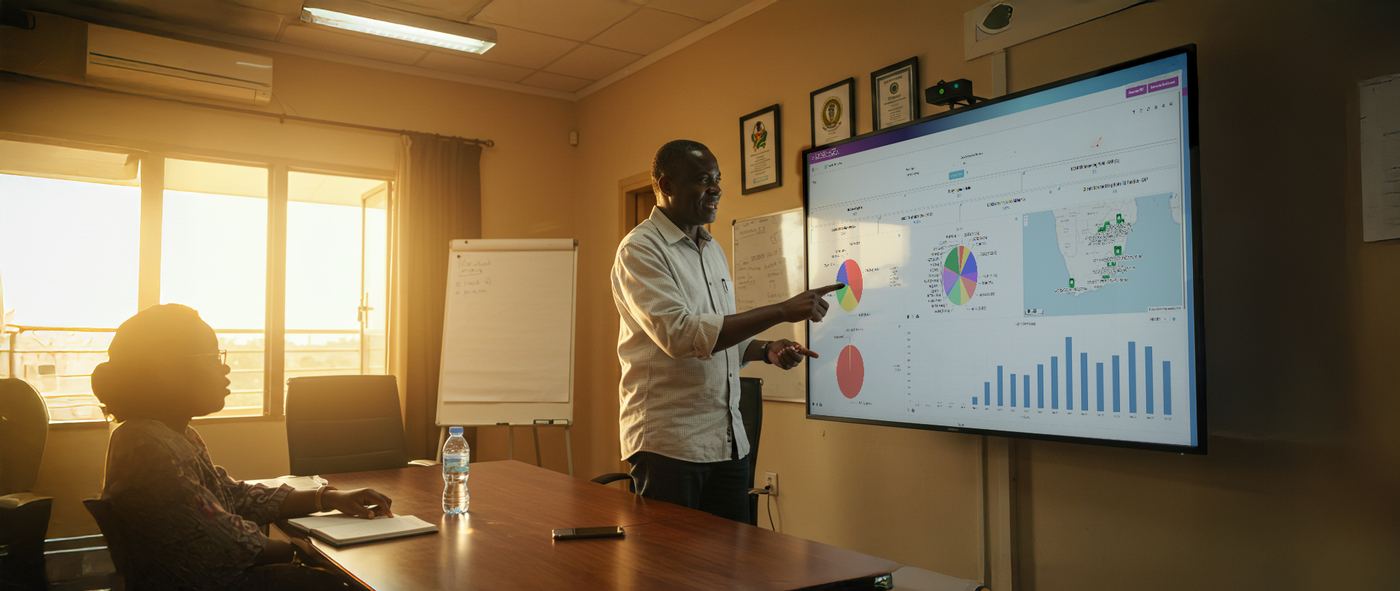
On 16 June 2026, Google published a feature on Nexus Intelligence on its Africa blog (blog.google, Google in Africa), putting a South African clinical AI deployment in the spotlight. The story is about what happens when a strong research model becomes a regulated product that can work in real screening conditions, and connects to a full clinical workflow.
The feature, Meet the Pretoria team using AI to spot lung disease in as little as 45 seconds, profiles Nexus co-founders Dr Gerhard Ferreira and Andries Vorster.
From research model to medical device
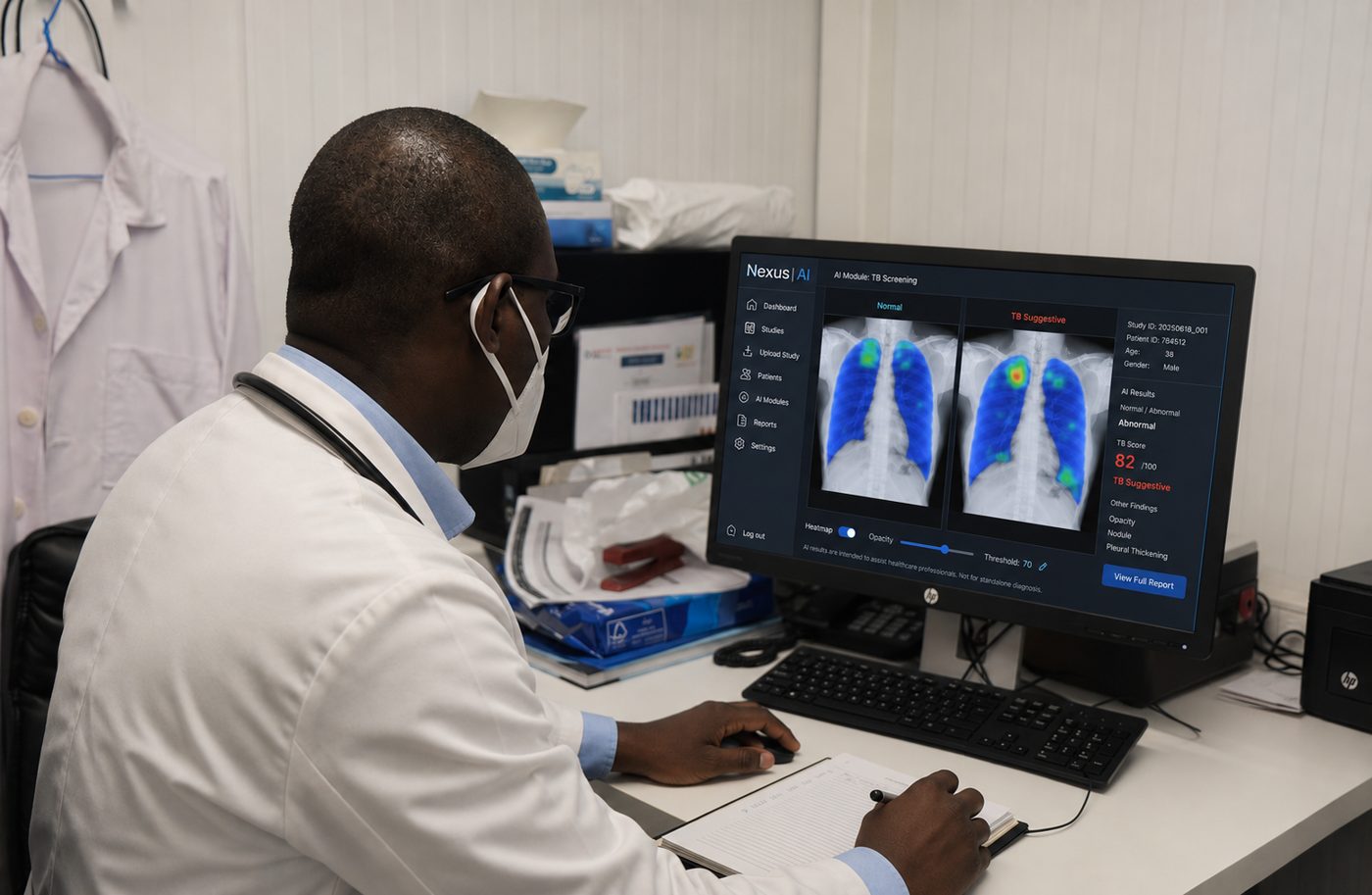
Google’s chest X-ray model gave Nexus a strong technical foundation. Under a long-term Master Licence and Development Agreement with Google, Nexus built Nexus AI CXR as a commercial medical device for trained healthcare professionals, owning the engineering, clinical validation, quality system and regulatory responsibility for that product. It received CE MDR Class IIb certification in 2025 and can provide an AI-assisted result in as little as 45 seconds.
Nexus AI is a CE MDR Class IIb certified medical device designed to support clinical interpretation of chest X-rays. It analyses chest X-rays and indicates any findings that are not consistent with a normal lung field, including findings suggestive of tuberculosis (TB). The Nexus AI algorithm comprises of two core models (Normal and TB models) that run in parallel. The output helps a clinician prioritise and interpret a study. It does not replace a radiologist or provide a final diagnosis.
The deployment story Google chose to tell
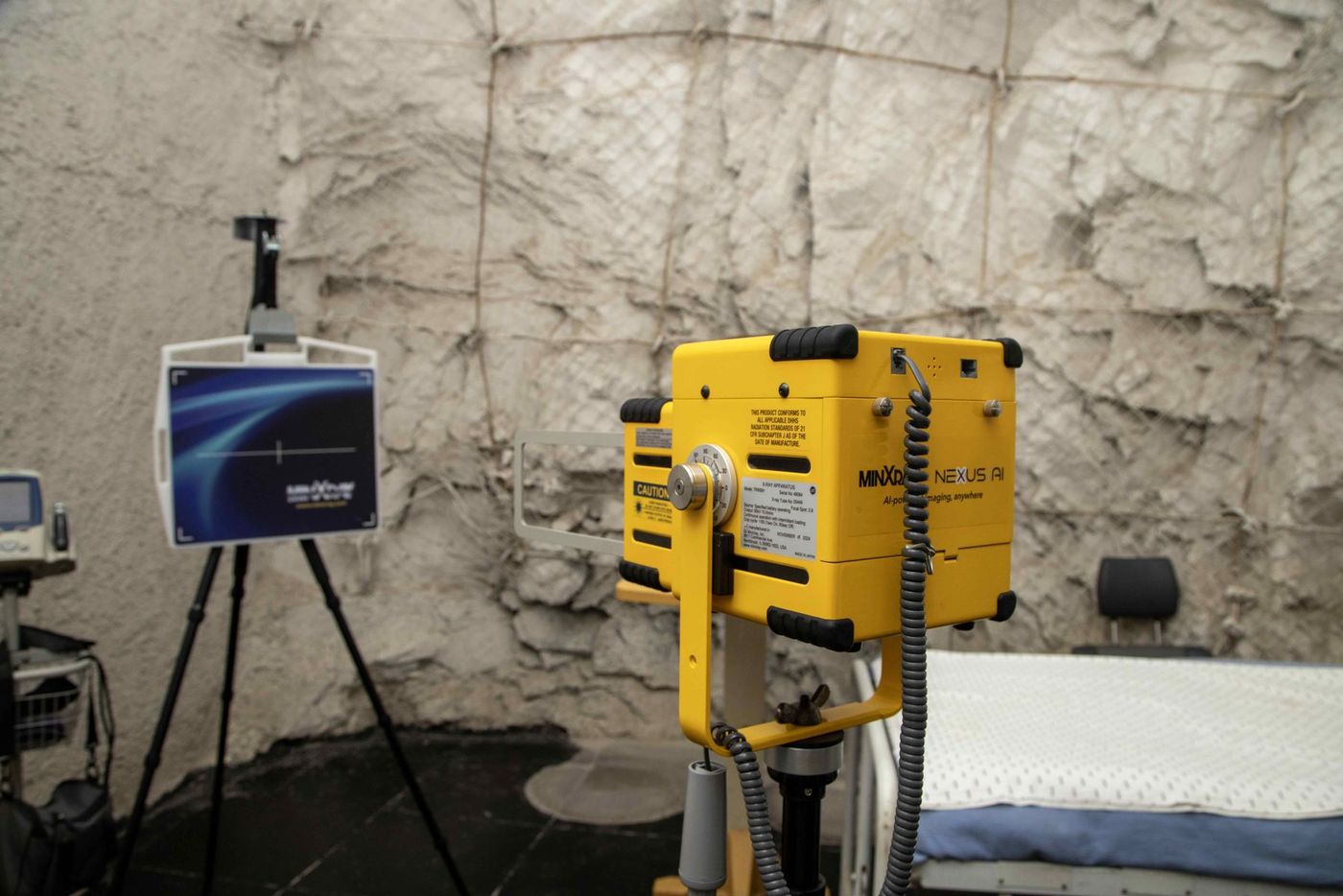
Google’s article describes use in Côte d’Ivoire, South Africa and Sierra Leone, as well as the ability to run offline where connectivity is unreliable. It includes the Mponeng Gold Mine example, where Nexus supported chest imaging almost four kilometres underground, a deployment also covered by Forbes Africa. Google reported that Nexus had processed more than 25 000 X-rays across 40 locations in six countries at the time of publication.
That is a Nexus AI product count. It should not be confused with the broader ecosystem total of more than five million individuals screened across HCF, CloudX and Nexus AI programmes. The distinction matters: they measure different activities.
What the recognition means to us
We value Google’s recognition because the hard part of healthcare AI is making it dependable in the field: connecting the modality, supporting the clinical team, handling limited connectivity and keeping the result linked to care. The larger HCF and CloudX ecosystem extends the AI moment into registration, specialist reporting, referral and programme oversight. That is how an image result becomes part of a managed patient journey.
The article is a public account of work by local teams, health workers and partners. We are proud of that recognition and focused on the next measure of success: whether people whose images require attention receive timely review and care.
Further reading
- Google: Meet the Pretoria team using AI to spot lung disease in as little as 45 seconds (June 2026)
- Google: Building AI to accelerate science and improve lives, by James Manyika (September 2026)
- Forbes Africa: Reimagining Healthcare and Agriculture on the Continent Using AI (August 2026)
- Techpoint Africa: Nexus AI is bringing AI-powered X-ray screening to places with few radiologists (September 2026)
#Google #NexusAI #HCF #CloudX #TB #LungHealth #DigitalHealth